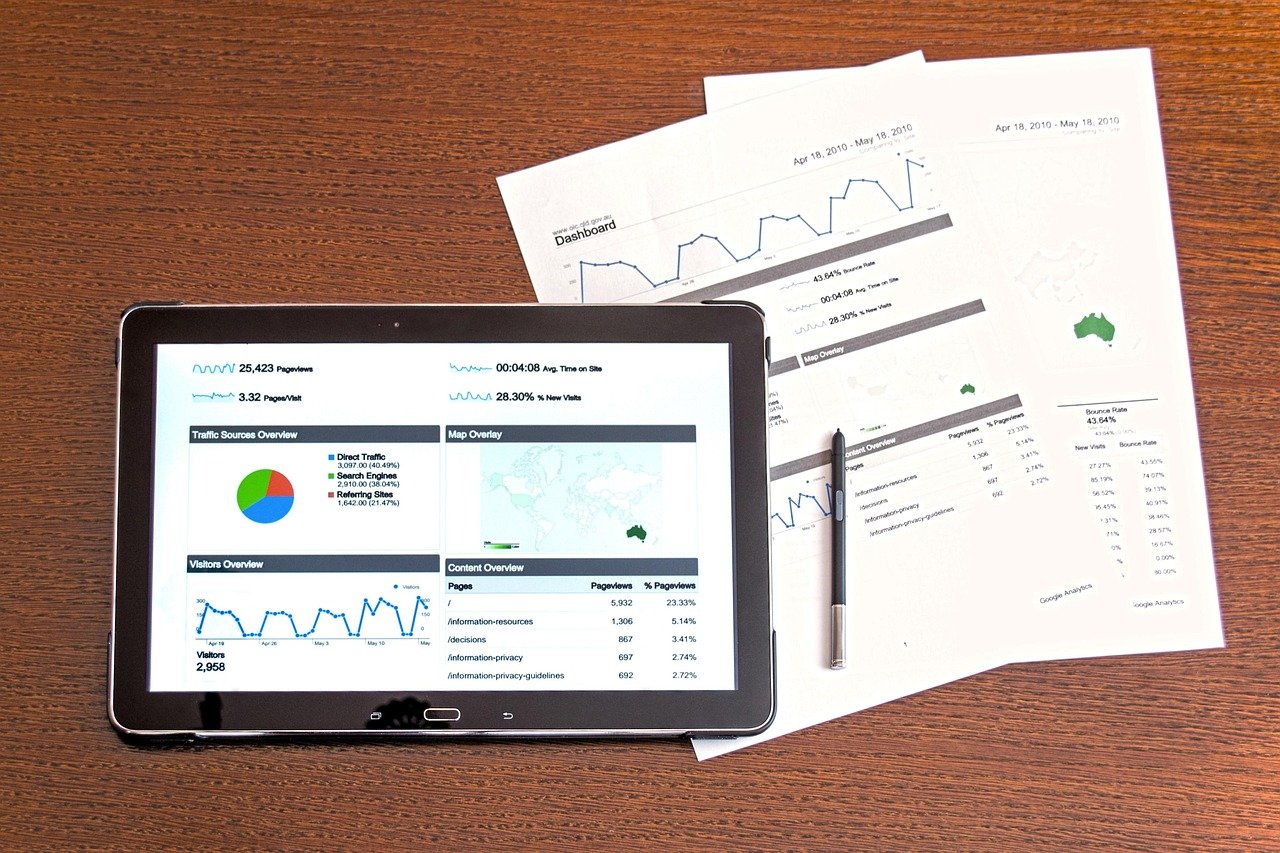
Technical SEO forms the foundation of your website's search visibility. Without a solid technical foundation, even the best content and link building won't deliver the results you deserve. This checklist covers the most critical technical SEO elements.
Crawlability is the first priority. Ensure your robots.txt file is properly configured to allow search engines to crawl important pages while blocking administrative and duplicate content areas. Submit your XML sitemap through Google Search Console and verify all important pages are indexed.
Site speed optimization should be a continuous effort. Core Web Vitals — Largest Contentful Paint (LCP), First Input Delay (FID), and Cumulative Layout Shift (CLS) — are now ranking factors. Optimize images with next-gen formats like WebP, implement lazy loading, and minimize render-blocking resources.

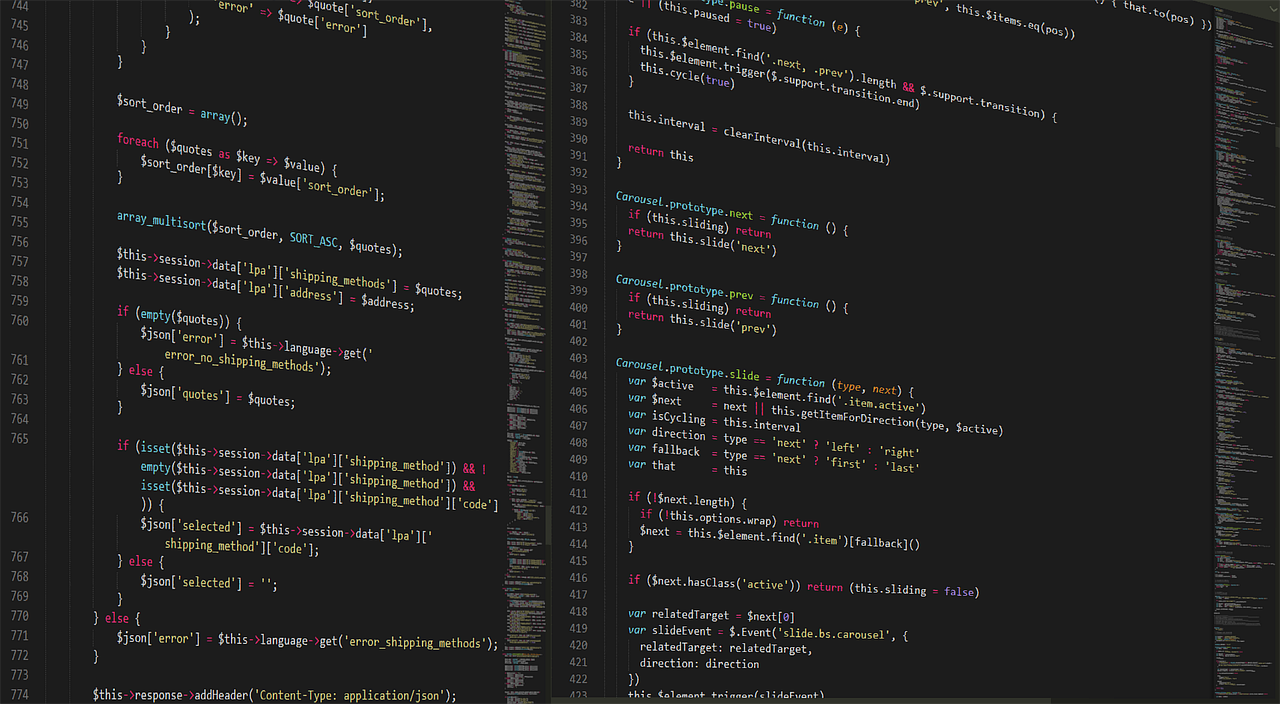
Technical SEO audit with HTML code on computer screen
HTTPS security is non-negotiable. Every page on your site should be served over HTTPS with a valid SSL certificate. Check for mixed content warnings, ensure all internal links use HTTPS, and implement proper 301 redirects from HTTP to HTTPS versions.
URL structure should be clean, descriptive, and hierarchical. Use lowercase letters, hyphens to separate words, and keep URLs as short as possible while remaining descriptive. Avoid dynamic parameters, session IDs, and unnecessary subdirectories.
Canonical tags prevent duplicate content issues. Implement self-referencing canonical tags on every page and use canonical tags to consolidate duplicate or similar pages. This tells search engines which version of a page is the authoritative one.
Structured data (Schema.org) helps search engines understand your content and can earn rich snippets in search results. Implement relevant schema types for your business: LocalBusiness, Product, Article, FAQ, HowTo, and breadcrumb markup.
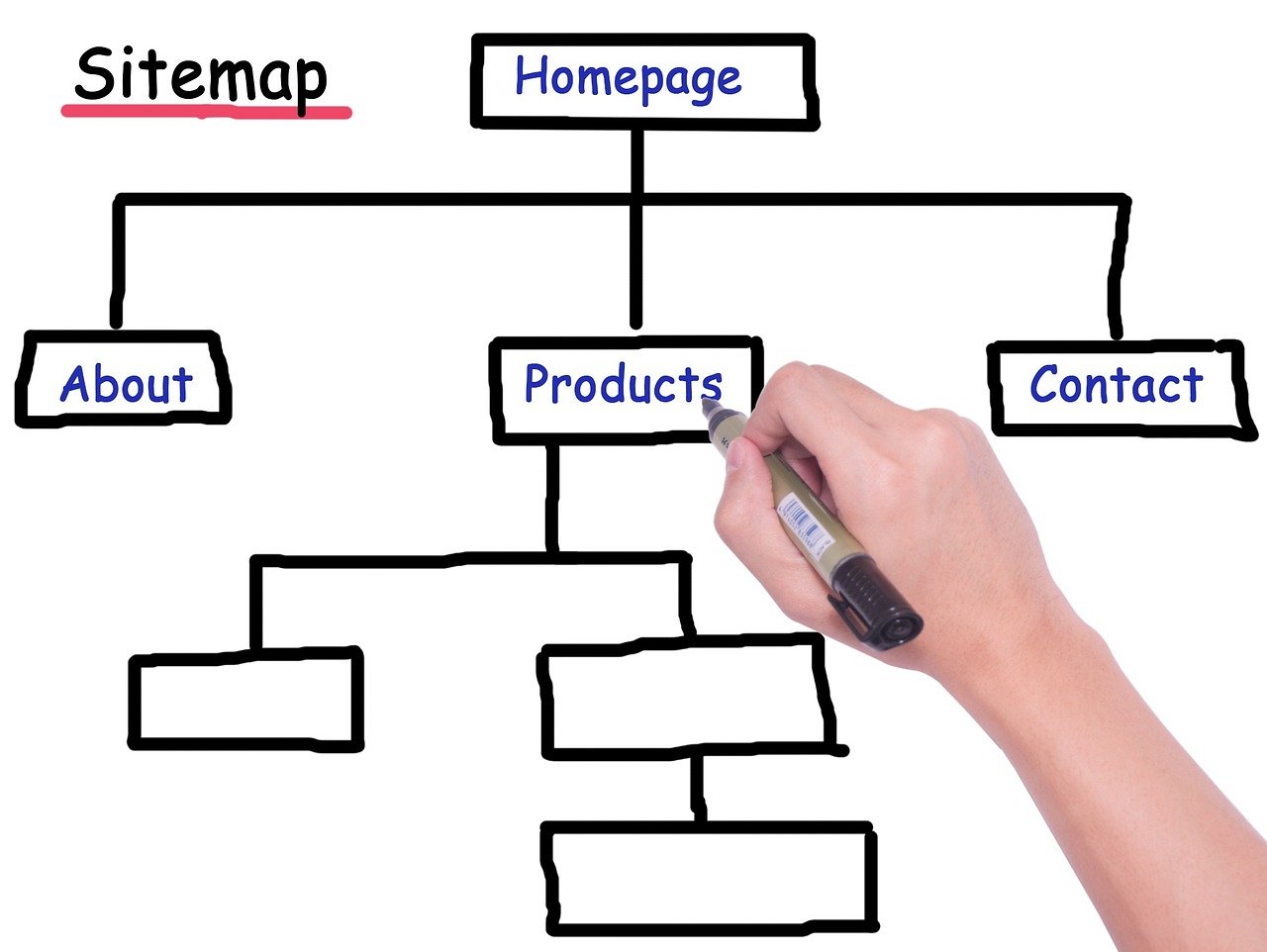
Website sitemap structure and SEO architecture planning
Internal linking distributes authority throughout your site and helps search engines discover content. Create a logical linking structure, use descriptive anchor text, and ensure every important page is accessible within 3 clicks from the homepage.
Mobile-first indexing means Google primarily uses the mobile version of your site for ranking. Ensure your mobile site has the same content, structured data, and meta tags as your desktop version. Test with Google's Mobile-Friendly Test tool.
Regular technical SEO audits catch issues before they impact rankings. Use tools like Screaming Frog, Google Search Console, and Ahrefs to identify crawl errors, broken links, missing meta tags, and other technical issues. Schedule monthly audits to maintain your site's technical health.

Related Services
Ready to Grow Your Business?
Get a free marketing audit and discover how we can help you achieve results like these.
Get Free Audit